





How Joo Casino Registration works in Canada
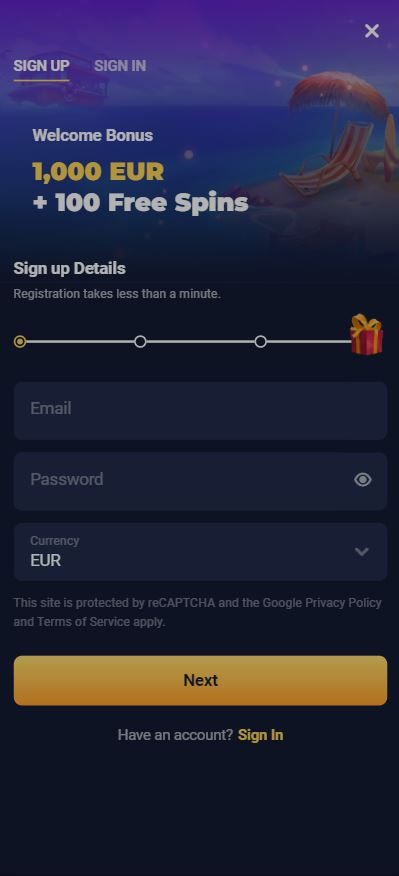
Opening an account is usually less about speed and more about sequence. First you enter the basic details, then confirm that you are an adult of legal age in Canada, and only after that do you move into the account area where payment settings, limits, and profile fields start to matter. Many players rush this part because they want to reach the lobby fast. That is often where small mistakes begin.
Imagine a player setting everything up late at night on a phone, half reading the prompts and half watching something in the background. A mistyped email or an unfinished profile can turn a simple first deposit into an annoying support request the next morning. The smoother approach is boring but effective: fill in the form carefully, confirm your contact details, then check the cashier and account menu before you play.
The real task is not just creating an account. It is creating one that stays easy to use later. Matching details, a usable password, and a verified contact method make everything calmer when you need to review activity, recover access, or take a break.
Why Joo Casino Sign Up Bonus matters on day one
A welcome offer can add value, but it also changes behavior. Someone expecting extra balance may deposit too quickly, pick a higher stake than usual, and forget to read the basic conditions attached to the promotion. The better move is to treat any opening deal as structure, not as instant momentum.
Picture a new user who deposits right after breakfast, sees added value in the cashier, and jumps straight into a fast slot. Ten minutes later, the balance has moved, but the player still has not checked how long the offer stays active or whether some games contribute differently. That is why the first session should stay simple: confirm the promo details, pick a game type you already understand, and keep the stake low enough that you can actually feel how the account behaves.
What the first session usually looks like
The first real session begins after account setup, not before. Once inside, most players do three things almost automatically: they check the cashier, scan the lobby, and look for a simple game to understand the pace of the platform. This is the moment when design either helps or gets in the way.
If you are cautious, start with the cashier and see what information is visible without committing to a payment. Can you understand the steps? Do the fields make sense? Is there a place to review limits before funds are added? Usually players who do this feel more in control because they see the route in advance rather than learning it in the middle of a transaction.
After that, the lobby becomes more useful. Instead of trying to understand every category, narrow the first visit to one goal. Maybe you want quick slots with short rounds. Maybe you prefer a calmer table game rhythm. Maybe you only want to check whether the search and filter tools are practical on mobile.
Below is a simple planning view that helps many new users avoid random clicks.

Area to check | What to look for | Why it matters |
|---|---|---|
Account menu | Profile details, password, session controls | Reduces future recovery issues |
Cashier section | Deposit methods, currency flow, limit settings | Helps you plan the first transaction |
Game lobby | Search, filters, categories, favourites | Saves time once you start playing |
Help section | Contact options, common issues, account guidance | Useful if something blocks access |
Safer play tools | Time reminders, cooling off, self-limits | Supports control from the first day |
A common mistake here is trying to judge the whole platform in fifteen minutes. That rarely works. A better first visit is almost like a quiet walkthrough. You test the structure, save a few games, and leave with a clearer sense of whether the experience fits your habits.
Deposits, cashouts, and managing limits
Money decisions are where routine begins. Once a player has a working account, the next question is not simply how to add funds, but how to do it in a way that stays comfortable over time. Different methods can feel faster or easier depending on what you already use day to day, and the best choice is often the one that creates the fewest surprises later.
Consider a player who uses one payment method for everything and never checks transaction history. At first that feels convenient. Then a week later they try to review spending, cannot remember what they deposited on which day, and end up guessing. It is much easier to keep control when you choose a method you can track clearly and when you decide your session budget before opening the cashier.
Cashouts need the same mindset. People often focus on speed, but the more useful question is predictability. Does the process feel straightforward? Are the account details complete? Is the chosen method likely to match the one used earlier? Usually players have a smoother experience when they think about withdrawal conditions before the first deposit, not after a win.
Limits matter even more than payment choice. Deposit caps, session reminders, and breaks are not only for problem situations. They are ordinary tools for ordinary players who want the session to end when they planned, not when the balance or mood takes over.
How payment choices affect your routine
A payment method is not just a technical option. It changes behavior. Some methods feel almost invisible, which can make repeat deposits too easy for players who act on impulse. Others create a natural pause because you have to confirm a step or switch apps, and that pause can be helpful.
Imagine finishing a long day, opening the platform on your phone, and wanting a quick twenty-minute session. In that mood, friction can actually protect you. A brief confirmation step gives you time to ask whether you are following your plan or changing it because the session has already become emotional.
Choosing games without rushing the first deposit
Once the account is ready, the lobby can feel bigger than expected. That is normal. Slots, tables, fast rounds, slower rounds, themed releases, and promotional tiles all compete for attention. The smart move is not to sample everything. It is to narrow your first few choices to what matches your pace.
A lot of new players start with whatever is most visible on the home screen. Sometimes that works, but often it just means the choice was made by layout, not by preference. If you already know you dislike constant visual noise, begin with a simpler interface or a calmer game type. If you enjoy short rounds and quick decisions, lean into categories that support that pattern.
Picture someone who deposits a modest amount, opens three games in separate tabs, and tries to compare them at once. After ten minutes they are not enjoying the session, they are managing confusion. Usually it is better to pick one game, give it enough rounds to understand the rhythm, and only then decide whether to move on.
How to test the lobby before spending much
A good early test is simple: open the categories, use the filters, read a few game descriptions, and check how easily you can return to recently viewed titles. These small interactions tell you whether the platform is comfortable for everyday use.
Imagine commuting back home and opening the casino on mobile with one hand. If the search bar is easy to reach, favourites are obvious, and categories do not bury the games you want, the session begins with less friction. That matters more than flashy banners.
When players switch from slots to tables
The change usually happens when a player wants a different tempo. Slots often suit short, low-commitment sessions. Table games can feel more deliberate, especially for users who like decision points and a slower rhythm. Neither approach is better by default. It depends on why you opened the platform that day.
A typical example is someone who starts with quick reels during a lunch break but returns in the evening wanting a calmer session. Instead of chasing the same pace all night, they move to a table format that makes them think between rounds. That shift can keep the session more controlled.
Support, account recovery, and safer play tools
Support becomes important before people expect it to. Most users do not contact help desks during a normal first session, yet the smartest time to inspect support options is exactly when nothing is wrong. If there is a clearly visible help area, a player learns where answers live before stress enters the picture.
Think about the most common problems. A password stops working. A deposit seems delayed. A verification step needs another document. None of these situations are unusual, but all of them feel larger when the player has no idea where to go next. That is why the help section is part of setup, not just an emergency door.
Safer play tools belong in the same conversation. A serious platform should make it possible for adults to control time and spending in ways that fit real life. Some users want a simple reminder after a fixed session length. Others need a cooling-off period because they know they make worse decisions after a losing streak.
What to do if access stops working
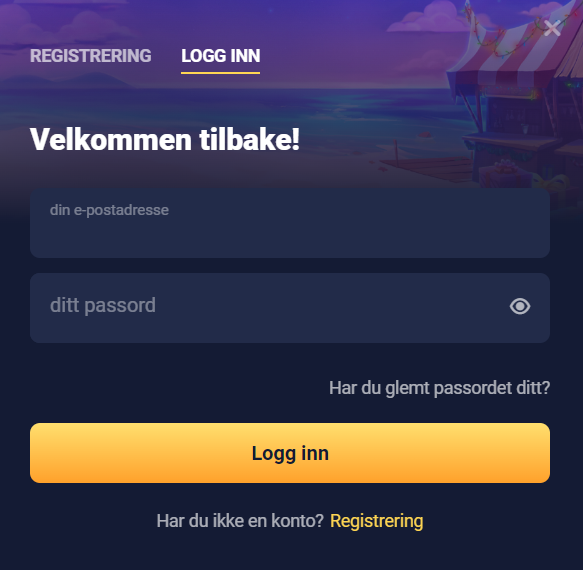
Start with the obvious steps, even if they feel too basic. Check the email you used for the account, confirm the password carefully, and look for any missed verification or security prompt. Many access problems come from a small mismatch, not a major account issue.
Now imagine you are trying to log in just before a match starts and the account does not open. The worst move is repeated guessing. Slow down, review the profile details you know are correct, and only then contact support with a clear summary of the issue.
Mobile use in Canada and everyday convenience
For many players in Canada, mobile access is the default, not the backup. The account is opened on a phone, the first deposit is made on a phone, and the session continues in short windows between other parts of the day. That makes convenience more than a nice extra.
A strong mobile routine is not only about screen size. It is about how quickly you can move between the profile, cashier, and lobby without losing context. Can you pause a session, return later, and still understand where you left off? Can you reach responsible play settings without digging through menus?
Imagine someone on a train ride home opening the casino for fifteen minutes. They do not want a long setup each time. They want clear buttons, readable text, and a cashier that does not feel cramped. Usually the best mobile experience is the one that removes extra taps, not the one that adds extra effects.