





Is Joo Casino Legit For Canada Players In 2026
When people ask whether a gaming platform is worth their time, they usually want a practical answer. They want to know how it feels after registration, after the first deposit, and after the first withdrawal request. In Canada, that everyday view matters more than slogans because adult players compare routine details, not just marketing.
A sensible first check starts with simple things: how clear the account menu looks, how easy it is to find limits, and whether the platform explains actions without hiding them three clicks deep. Imagine you have twenty minutes after work and want one short session. If you spend half of that time hunting for the cashier or support tab, trust drops fast.
Consistency matters too. Does the site behave the same way on desktop and phone? Are promotions explained in readable language? Can you see where your balance changed and why? These are not flashy questions, but they usually decide whether a player keeps the account active or walks away after one weekend.
What A Careful First Check Usually Looks Like
Start with the help area, the account settings, and the payment section. You are not trying to prove something dramatic. You are checking whether the product feels built for real users or built to slow them down. If the next step is obvious at every turn, that is already a strong sign.
Careful players also look for timeout tools, deposit limits, and session reminders before they begin. Picture someone planning a Saturday night session with a fixed budget. If those controls are easy to find while the mood is still calm, the platform feels more usable from the start.
Getting Started Without Friction
The opening steps shape the whole tone of the experience. If registration feels clean, players become more patient with everything that follows. If it feels messy, even a solid game lobby later may not fully repair that first impression.
Most users want the same thing here: a short form, clear password rules, and a direct path to the account dashboard. Imagine registering on your phone while heading home. You do not want long mandatory fields or vague error messages that force you to start over.
It also helps when the platform explains why certain personal details are requested. Identity checks feel easier to accept when the instructions are plain and specific. Players are usually less frustrated when they know what may be required later before a cash-out can move forward.
Opening An Account Step By Step
A smooth start usually follows a simple rhythm: create login details, confirm contact information, enter basic personal data, then reach the account area without detours. The more focused the process is, the more control the user feels.
Imagine a new player who wants to browse first and deposit later. If the dashboard clearly shows where to verify identity, where to set a budget, and where to review offers, the platform feels organized rather than pushy.
What Verification Can Interrupt
Verification is where a clean sign-up can suddenly lose momentum. A document photo may be blurry, one field may not match, or an upload format may fail. None of that is unusual, but it becomes irritating when instructions are vague.
A common scenario is simple: someone wins a little, requests a withdrawal, and only then learns that extra checks are needed. That does not automatically mean trouble. Still, platforms that explain the process early reduce stress and help players prepare before cash-out day.

Finding Your Rhythm In The Lobby
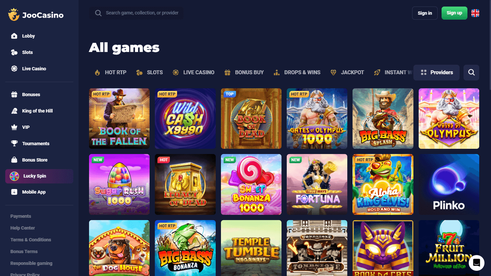
Once the account is ready, the real test begins in the lobby. This is where players learn whether the platform supports their habits or keeps pushing them into random clicks. A good lobby does not need to be loud. It needs to help people move from idea to action quickly.
Some users arrive with a plan. They know they want reels, live tables, or short rounds with smaller stakes. Others simply want a neat way to browse. Imagine opening the lobby with twenty minutes free before dinner. You should be able to sort by category, return to recent picks, and understand where new titles sit without feeling lost.
Search and filter tools often decide whether a platform feels modern. Not because they look impressive, but because they remove friction. If you can find a title by name, jump between categories, and return to favorites without effort, the session feels smoother.
Too much visual noise can ruin that rhythm. A crowded lobby with constant banners and pop-ups breaks concentration. Many players prefer a calmer layout where categories stay visible and the path back to the cashier or support menu is never far away.
Bonuses, Limits, And What Changes The Session
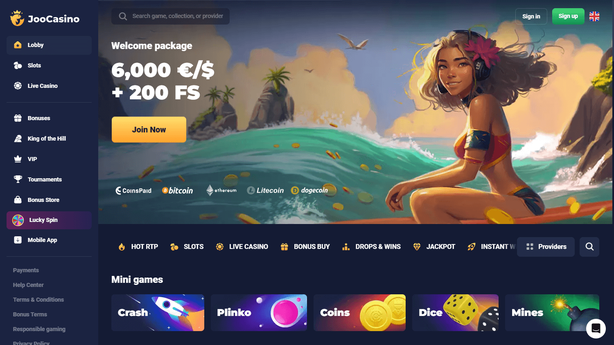
Promotions attract attention, but they rarely define the full experience on their own. What matters is how clearly the offer is explained and how realistic it is for the average player. A big headline means little if the rules underneath are hard to read.
Imagine someone joining on a Friday night because a welcome offer catches their eye. They deposit, open the lobby, and only then realize that different game types may behave differently under the promotion. This is where careful reading saves a lot of frustration.
Limits matter just as much as bonuses. Deposit caps, session reminders, cooling-off options, and self-exclusion tools change the experience more than many first-time users expect. These features may not sound exciting, but they often decide whether the platform remains manageable over time.
Reading Promotion Terms With Patience
The practical way to read a promotion is to ignore the headline first and go straight to the mechanics. Look for timing, deposit rules, eligible games, stake restrictions, and what happens if you switch between products during the same session.
Picture a user who plays for an hour and later notices that one category counted differently than expected. That is not always a trap; sometimes it is simply a missed condition. A well-designed platform makes those details visible enough that players do not need detective work.
Setting Boundaries Before The First Deposit
Healthy play starts before the balance is loaded, not after it disappears. A simple budget, a session time limit, and a decision about acceptable loss can change the tone of the whole evening.
Imagine setting aside one fixed amount for the weekend and deciding in advance not to top it up. That small choice makes the platform easier to use because every action sits inside a limit you chose while calm.
Payments And Cash-Out Routine In Practice
For many adult players in Canada, the cashier is the real heart of the platform. The game lobby may attract attention, but the payment flow decides whether the site feels dependable. People notice speed, clarity, and how many questions appear when money moves in or out.
Imagine finishing a short session and deciding to withdraw a modest amount before bed. You want to see the request history, understand whether any checks are pending, and know what part of the process still depends on you. When that information is visible, the whole platform feels steadier.
Player task | What usually matters | Why it matters |
|---|---|---|
First deposit | Clear minimums, simple cashier layout, visible confirmation | Reduces mistakes when funding the account |
Second deposit | Saved details, quick method selection, readable balance update | Makes repeat use faster and calmer |
First withdrawal | Identity status, request history, pending review notes | Helps the player prepare before cash-out |
Failed transaction | Plain error text, retry guidance, support access | Prevents confusion and duplicate attempts |
Budget control | Deposit caps, session reminders, account overview | Supports measured play and fewer impulsive top-ups |
A common mistake is focusing only on deposit speed. Fast deposits are convenient, of course, but the more important question is whether the withdrawal route is explained with equal care. Players usually remember a platform less for how quickly it accepted money and more for how predictable the cash-out process felt afterward.
What Usually Speeds Up A Withdrawal
Preparation does more than luck here. Completed identity checks, matching account details, and a careful read of cash-out conditions can save a lot of frustration later.
Think of a user who uploads documents early, verifies payment details, and keeps confirmation records. When that person requests a withdrawal, the process often feels cleaner because fewer open questions remain.
Mobile Play And Support During Real Use
A platform can look good on desktop and still feel awkward on a phone. In 2026 that gap matters, because many players in Canada move between devices constantly. They browse on mobile, deposit on a tablet, and finish a session later on a laptop.
The real test is not whether the mobile version loads. It is whether common actions remain comfortable on a small screen. Imagine trying to switch from the lobby to the cashier one-handed while standing in line for coffee. If buttons are cramped or menus hide important tools, the flow becomes tiring.
Support matters most when something small interrupts the session: a stuck loading screen, a payment query, a bonus question, or uncertainty about account checks. Players rarely judge support by the greeting alone. They judge it by whether the reply gives a useful next step.
When Support Matters Most
Support becomes truly valuable when the answer changes what the player does next. If a cashier request is pending, the useful reply is one that explains the likely reason, the document needed, or the status to watch for inside the account.
Imagine sending a question late at night because a transaction looks odd. If the support team points you to the right menu and explains whether action is required, the problem often feels smaller immediately.
How The Experience Feels On A Phone
Good mobile play is mostly about rhythm. Pages should open in a sensible order, balances should stay visible, and the return path to the lobby should be easy. Players do not need a design award. They need a product that lets them act without zooming, mis-tapping, or hunting through menus.
A familiar scenario says everything: you start a session on the sofa, pause to answer a message, then come back two minutes later. If the platform restores the session cleanly and keeps your place, mobile use feels natural.
Why Many Players Stay Or Leave After Week One
The first week tells the truth. By then, most players have registered, funded the account, browsed the lobby, looked at the cashier, and formed an opinion about support. Patterns become visible very quickly.
Some users stay because the platform fits neatly into their routine. They know where the essentials are, the payment flow does not create unnecessary drama, and the interface does not waste their time. Imagine an adult player who logs in twice a week, keeps the same budget, and values predictability more than novelty. For that person, consistency is the strongest feature a platform can offer.
Others leave for equally practical reasons. The interface may feel cluttered, the account process may ask for too much at the wrong time, or the lobby may not match the way they prefer to browse. None of these issues sounds dramatic alone. Together, they make the experience feel heavier than it should.
The smartest approach in 2026 is measured curiosity. Test the basics, keep spending modest, read the terms that affect your money, and judge the product on the actions you repeat most often. That is usually the clearest way to decide whether it belongs in your regular rotation.